Essential Safety Gear You Must Wear When Pressure Washing
Pressure washing is one of the most effective ways to restore driveways, decks, roofs, fences and exterior walls across the Gold Coast. The salt air, humidity, mould, algae and sandy grit common to the region make regular cleaning a necessity. But the same force that strips away years of grime can cause serious injury in seconds. Domestic and commercial pressure washers commonly produce anywhere from 1,500 to over 4,000 PSI, and a jet at that pressure can cut skin, drive debris into the eyes and even inject water and contaminants under the surface of the body. Wearing the right safety gear is not optional. It is the foundation of every safe cleaning job.
Why Pressure Washing Safety Gear Matters
Many people assume that a pressure washer is little more than a stronger garden hose. In reality, it is a powerful piece of equipment that carries risks including high-pressure injection injuries, flying debris, chemical exposure, slips and falls, hearing damage and electrical hazards. Emergency departments regularly treat injuries caused by high-pressure water jets, and some of these injuries look minor on the surface while causing significant deep tissue damage underneath.
On the Gold Coast, the conditions add further risk. Hot, humid weather leads to fatigue and dehydration, wet surfaces are slippery, and intense UV exposure can burn unprotected skin quickly. Good protective equipment addresses all of these hazards together.
Eye and Face Protection
Your eyes are the most vulnerable part of your body during pressure washing. Water rebounding off hard surfaces carries sand, gravel, paint chips, mould spores and cleaning chemicals directly toward your face.
Safety Glasses and Goggles
Choose eyewear that meets Australian and New Zealand Standard AS/NZS 1337.1 for impact protection. Wraparound safety glasses are a good minimum, but sealed goggles provide better protection when you are working close to a surface or using detergents. Anti-fog coatings are especially helpful https://goldcoastpressurecleaningexperts.com.au/roof-cleaning/ in Gold Coast humidity.
Face Shields
For heavy-duty jobs such as stripping paint, removing built-up grime from concrete or using higher-pressure settings, a full face shield worn over safety glasses adds an extra barrier against splashback and flying fragments.
Hand Protection
Waterproof, chemical-resistant gloves protect your hands from cold water, abrasive surfaces and cleaning solutions. Look for gloves with a textured grip so you can maintain control of the spray gun and wand when your hands are wet. Rubber or nitrile-coated gloves work well. Remember that standard gardening gloves are not designed to stop a high-pressure jet, so never use your hands to direct, test or clear the spray.
Foot Protection
Sturdy, non-slip footwear is critical. Wet concrete, pavers, timber decking and algae-covered surfaces become extremely slippery under constant water flow.
- Steel-capped or composite-capped gumboots: These protect your toes from dropped equipment and accidental spray while keeping your feet dry.
- Slip-resistant soles: Deep tread patterns provide traction on wet and soapy surfaces.
- Waterproof construction: Dry feet reduce fatigue and help prevent skin problems from prolonged moisture.
- Never wear thongs or sandals: Open footwear leaves feet exposed to a jet that can cause deep lacerations.
Protective Clothing
Long trousers and a long-sleeved top made from durable, water-resistant material help shield your skin from spray, debris and chemicals. For more demanding work, waterproof overalls or a rain suit add another layer of defence. Avoid shorts and singlets, even on hot days. A lightweight, breathable, long-sleeved UPF-rated shirt can protect you from both ricocheting debris and the strong Queensland sun.
For jobs involving high pressures or abrasive surfaces, some professionals also use cut-resistant leg guards or chaps, which offer additional protection for the legs and feet where accidental contact with the jet is most likely.

Hearing Protection
Petrol-powered pressure washers can produce noise levels of 85 to 100 decibels or more, which is enough to cause permanent hearing damage after extended exposure. Wear earmuffs or earplugs rated to AS/NZS 1270 whenever you operate a petrol machine, and consider them for electric units during long jobs. Hearing damage is cumulative and irreversible, so protecting your ears from the start is essential.
Respiratory Protection
Pressure washing creates a fine mist that can contain mould spores, bacteria, dust, old paint particles and chemical vapours. A properly fitted P2 respirator is recommended when cleaning mouldy surfaces, working with detergents or bleach-based products, or washing areas with old paint that may contain lead. Gold Coast properties built before the 1970s may have lead-based paint on exterior surfaces, so take extra care and seek professional advice before blasting older painted areas.
Sun and Heat Protection
The Gold Coast has some of the highest UV levels in the country for much of the year. Prolonged outdoor work can lead to sunburn, heat exhaustion and dehydration.
- Wear a wide-brimmed hat or a helmet with a neck flap.
- Apply broad-spectrum SPF 50+ sunscreen to exposed skin and reapply regularly.
- Drink water frequently, even if you do not feel thirsty.
- Schedule work for early morning or late afternoon during summer.
- Take regular breaks in the shade.
Additional Safety Practices That Complement Your Gear
Protective equipment works best alongside safe working habits. Keep the following principles in mind every time you operate a pressure washer:
Never Point the Wand at People or Pets
Treat the spray gun like a tool that can cause serious harm. Keep bystanders, children and animals well clear of the work area.
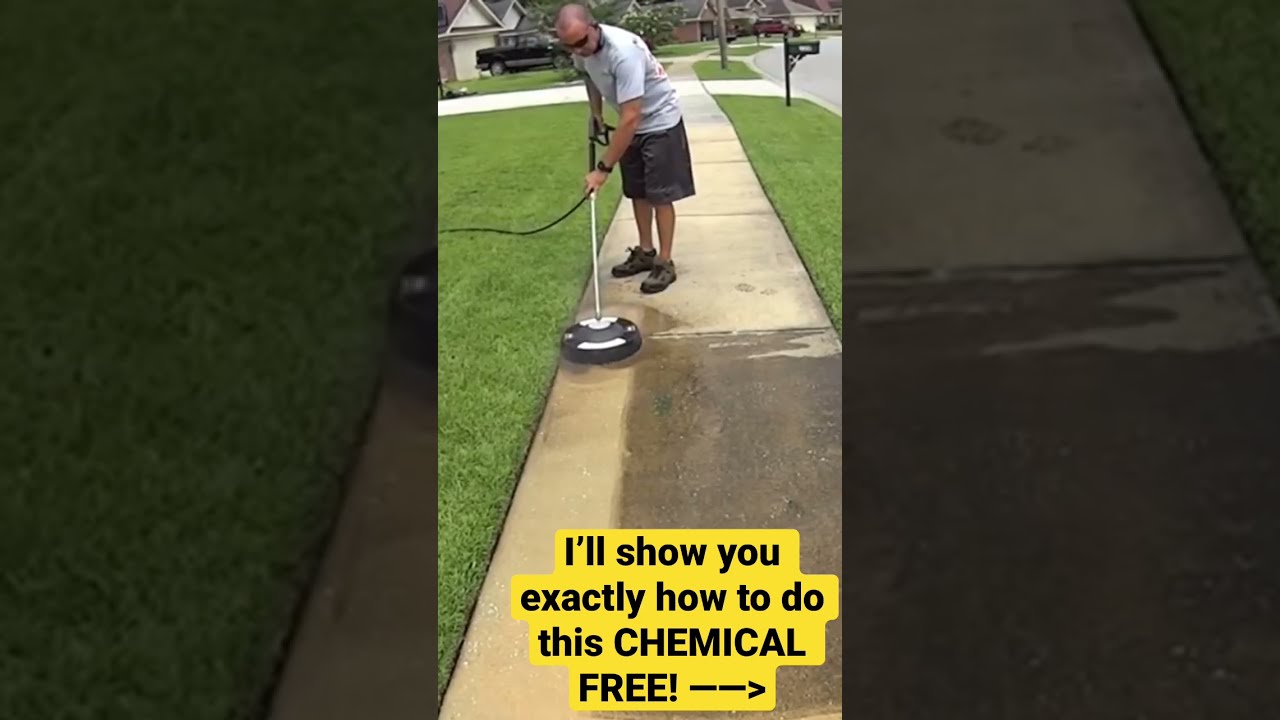

Use the Correct Nozzle and Pressure
Start with a wider spray angle, such as a 25 or 40 degree nozzle, and keep a safe distance from the surface. A zero-degree nozzle produces a concentrated jet that is far more dangerous and can damage surfaces like timber, render and roof tiles.
Take Care Around Electricity
Water and electricity are a hazardous combination. Use a residual current device (RCD) with any electric pressure washer, keep power connections off the ground and away from wet areas, and avoid spraying near power points, meter boxes, light fittings and overhead lines.
Use Ladders and Heights With Caution
The recoil from a pressure washer can throw you off balance on a ladder. Where possible, use extension wands or work from stable platforms, and never operate a pressure washer one-handed while on a ladder. Roof cleaning in particular carries a high risk of falls and is best left to trained professionals with appropriate harnesses and fall-protection systems.
Handle Chemicals Safely
Read product labels and safety data sheets before use. Never mix cleaning chemicals, particularly bleach and acid-based products, and rinse surrounding plants and gardens thoroughly to limit environmental damage. Gold Coast stormwater drains lead directly to local waterways, so prevent wash water and detergents from entering them wherever possible.
Know What to Do in an Injury
If the jet contacts your skin, do not ignore it, even if the wound looks small. High-pressure injection injuries can force water, bacteria and chemicals deep beneath the skin, leading to infection, tissue damage and, in severe cases, amputation if untreated. Seek immediate medical attention for any injury caused by a pressure washer jet. In an emergency, call 000.
Professional Pressure Washing: A Safer Alternative
For large jobs, work at height, heavily soiled surfaces or older homes where hazardous materials may be present, hiring a professional is often the safest and most cost-effective choice. Licensed local cleaners carry the correct protective equipment, commercial-grade machinery, insurance and the training to manage risks properly. They also understand the unique demands of Gold Coast conditions, from salt-affected surfaces to humid-climate mould growth, and can complete the work efficiently without risking injury or property damage.
Final Thoughts
Pressure washing can transform the look of your Gold Coast home or business, but only when it is done safely. The essential gear list includes impact-rated eye protection, chemical-resistant gloves, non-slip protective footwear, long water-resistant clothing, hearing protection, a P2 respirator when required and proper sun protection. Combined with careful technique and respect for the equipment, this gear dramatically lowers your risk of injury. If you are unsure about tackling a job yourself, speak with a qualified local pressure washing professional who can deliver outstanding results with safety built into every step.
Gold Coast Pressure Cleaning Experts
Factory 2/60 Newheath Dr, Arundel QLD 4214
(07) 5240 9985